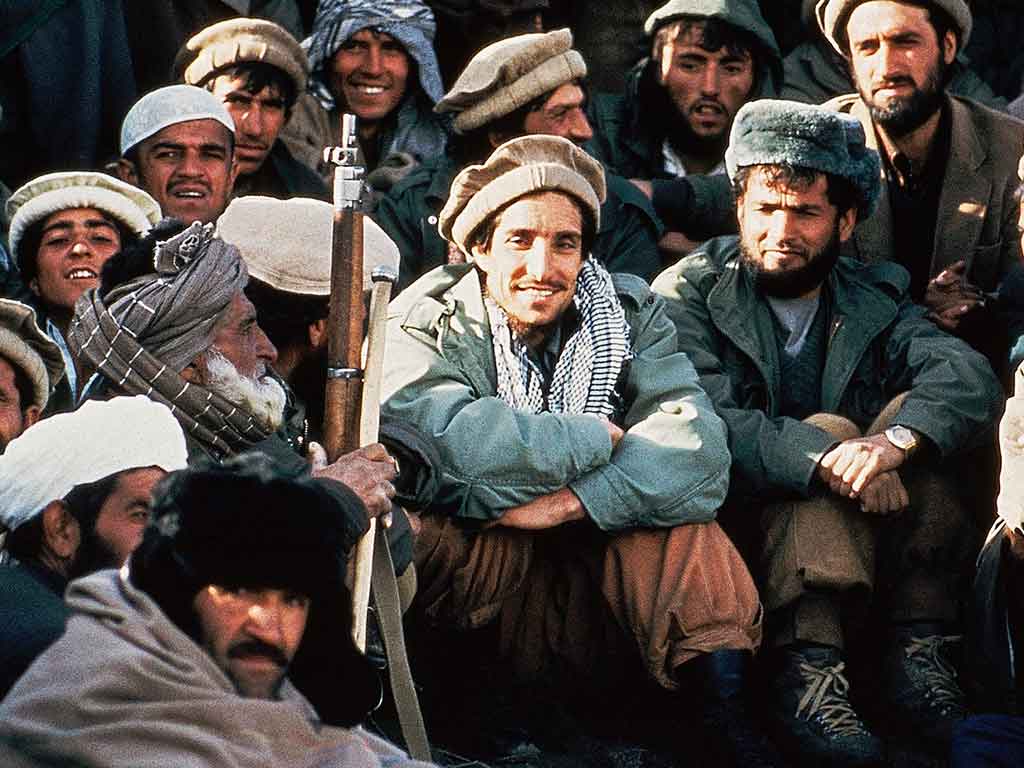
Ahmad Shah Massoud: The Lion of Panjshir
Ahmad Shah Massoud, known as the Lion of Panjshir, was one of the most influential Afghan leaders of the late twentieth century. His resistance, military strategy, and connection to Panjshir made him a defining figure in modern Afghan history.
Ahmad Shah Massoud, widely known as the Lion of Panjshir, was an Afghan military and political leader whose name became closely connected with resistance, Panjshir, and the modern history of Afghanistan.
Early Life
Massoud was born in 1953 in Bazarak, Panjshir. He later studied in Kabul and attended Kabul Polytechnic Institute. During a period of major political change in Afghanistan, he became involved in opposition movements and gradually emerged as an important resistance leader.
The Panjshir Resistance
After the Soviet intervention in Afghanistan in 1979, Massoud organized resistance forces in the Panjshir Valley. The valley's steep mountains, narrow roads, rivers, and difficult terrain provided a natural defensive advantage.
Massoud became known for using local knowledge, intelligence networks, mobility, and carefully planned defensive tactics. Soviet and Afghan government forces launched several major offensives into Panjshir, but his forces repeatedly survived and reorganized.
His leadership in Panjshir earned him the name “Lion of Panjshir.”
Leadership and Organization
Massoud's role was not limited to military operations. In areas under his influence, local administrative systems, schools, councils, and community structures were developed alongside the resistance movement.
Supporters often describe him as a disciplined commander who placed strong emphasis on organization, education, and long-term political planning.
After the Soviet Withdrawal
Following the Soviet withdrawal from Afghanistan in 1989, conflict continued between different Afghan factions. In 1992, after the collapse of Mohammad Najibullah's government, Massoud served as Afghanistan's defense minister during the Islamic State of Afghanistan period.
The years that followed were marked by intense fighting between rival factions, particularly in Kabul. These conflicts caused widespread destruction and civilian suffering, and Massoud's role during this period remains part of broader historical and political debate.
Resistance Against the Taliban
When the Taliban expanded across Afghanistan in the 1990s, Massoud became one of their principal opponents. After Kabul fell to the Taliban in 1996, he withdrew toward northeastern Afghanistan and became one of the leading figures in the coalition commonly known as the Northern Alliance.
Panjshir once again became one of the major centers of resistance.
Assassination
On September 9, 2001, Massoud was attacked by two men posing as journalists. Explosives hidden in their equipment detonated during an interview in northeastern Afghanistan.
He died from his injuries only two days before the September 11 attacks in the United States.
Legacy
More than two decades after his death, Ahmad Shah Massoud remains one of the most recognizable figures in Afghan history. His image continues to appear in homes, public spaces, artwork, photographs, and commemorations among Afghan communities around the world.
To many supporters, he symbolizes resistance, independence, leadership, and the defense of Panjshir. His military and political career also remains a subject of historical debate, reflecting the complexity of Afghanistan's modern history.
The Lion of Panjshir
Massoud's name remains deeply connected with the mountains and people of Panjshir. The valley where he built his reputation became inseparable from his story, and the title Lion of Panjshir continues to define how he is remembered by many Afghans today.
Create Your Photo with Ahmad Shah Massoud
Upload a clear photo of yourself and create a historical-style portrait inspired by Panjshir.